Key takeaways
- Entrances and sidewalks often need washing weekly or monthly.
- Restaurant pads and dumpster areas do best on a monthly schedule.
- Parking lots and building faces are usually washed once or twice a year.
- Work is easiest early morning or overnight, when customers are away.
Entrances and sidewalks
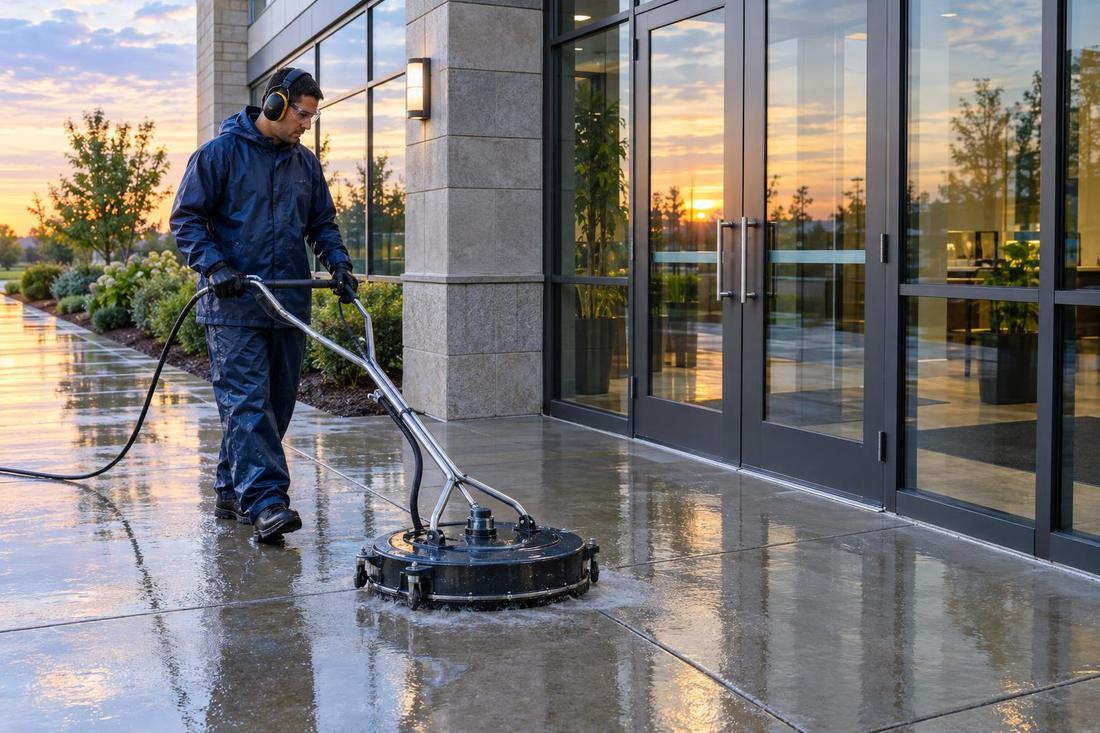
First impressions start at the door. Gum, grease and dirt build up quickly, so many businesses wash sidewalks and entrances weekly or monthly. Heavy foot traffic or food service increases the need.
Hot water handles gum and grease best.
Restaurant and food areas
Dumpster pads, grease bin areas, back doors and patios attract pests and odors. Monthly washing with hot water and containment keeps them clean, controls smells and reduces slip hazards. Some landlords and health rules require regular cleaning.
Check lease terms.
Lots and building faces
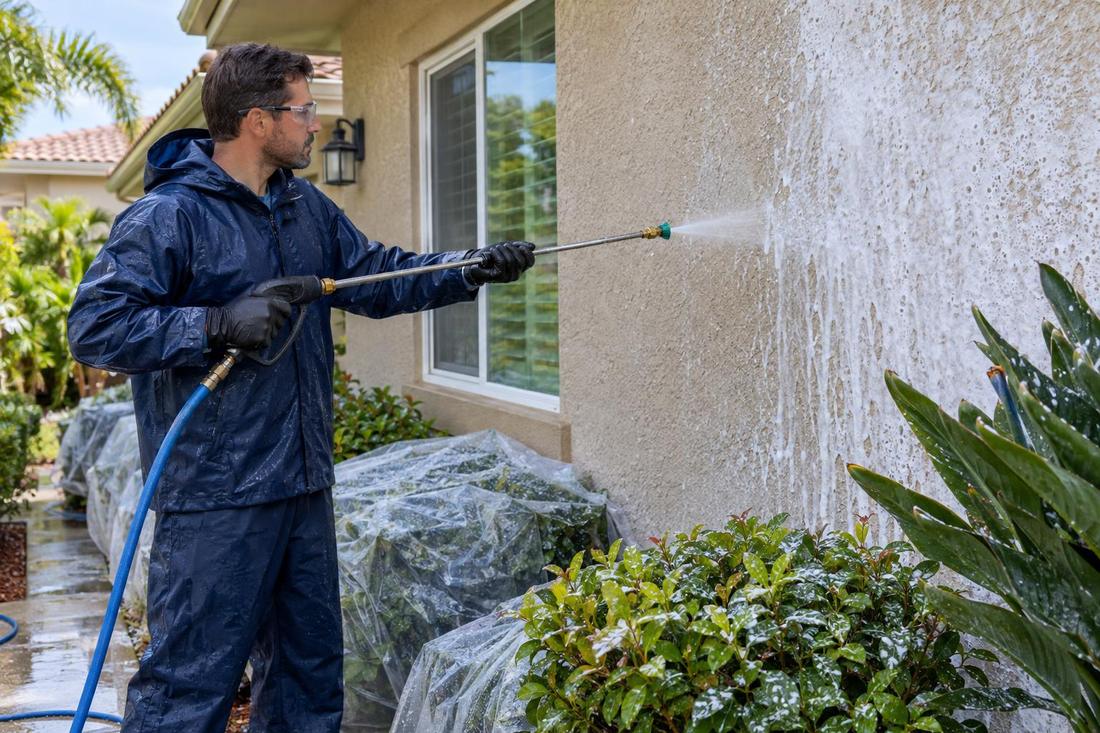
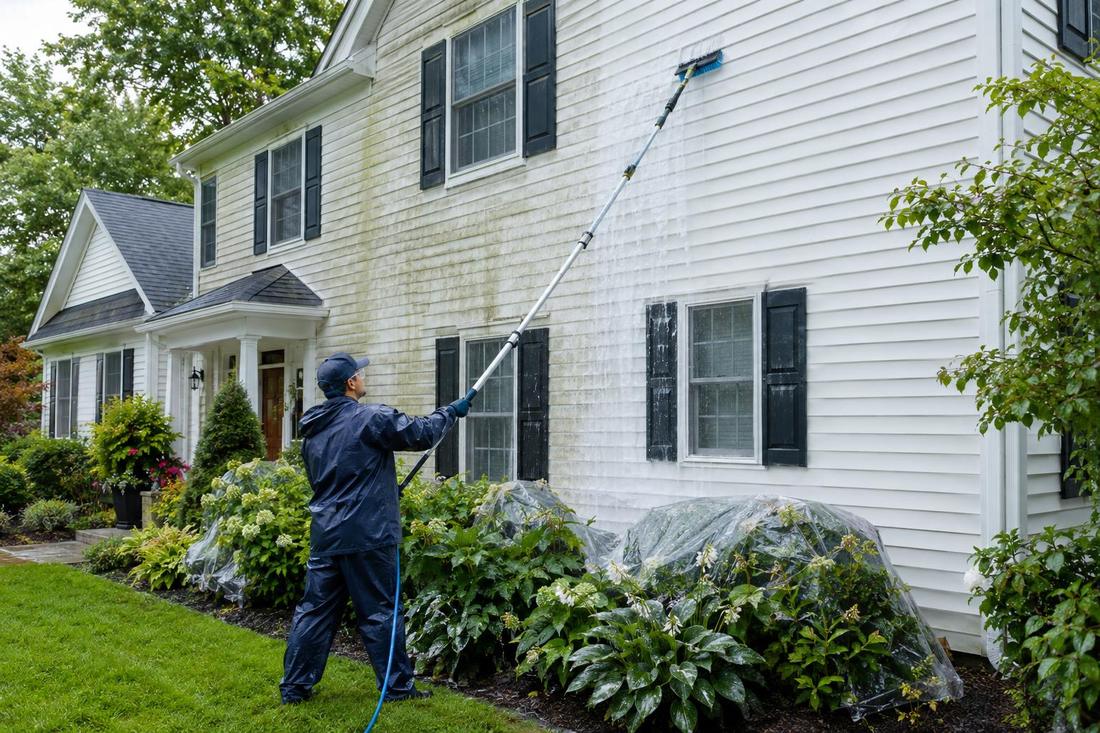
Parking lots collect oil, tire marks and gum, and are usually washed once or twice a year, or more near restaurants. Building faces, canopies and signs often need washing every one to two years. Soft washing protects finishes.
Plan before big events or inspections.
Working around your hours
Early morning and overnight service avoids customers and traffic. A good company coordinates with you, notifies tenants, controls wastewater and documents each visit with photos. A written schedule keeps it all on track.
Ask about reports and invoicing.
Official sources and further reading
- U.S. EPA: Stormwater Program
- Tennessee Department of Environment and Conservation
- Better Business Bureau
These are independent organizations. Links open in a new tab.
Quick answers
Do commercial properties need wastewater controls?
Often yes. Rules vary by city, so we follow local requirements.
Can you manage multiple locations?
Yes. We offer multi-site accounts with one contact.