Key takeaways
- Pressure washing uses cold water; power washing adds heat.
- Hot water breaks down grease, oil and gum faster.
- Cold water is fine for dirt and algae on most surfaces.
- Many companies use both terms for the same service.
Where the terms come from
Pressure washing describes the force of water. Power washing means the same force plus heated water. In daily speech most people use the two terms interchangeably, and many companies offer both under one name.
What matters is the equipment and the technique.
When heat helps
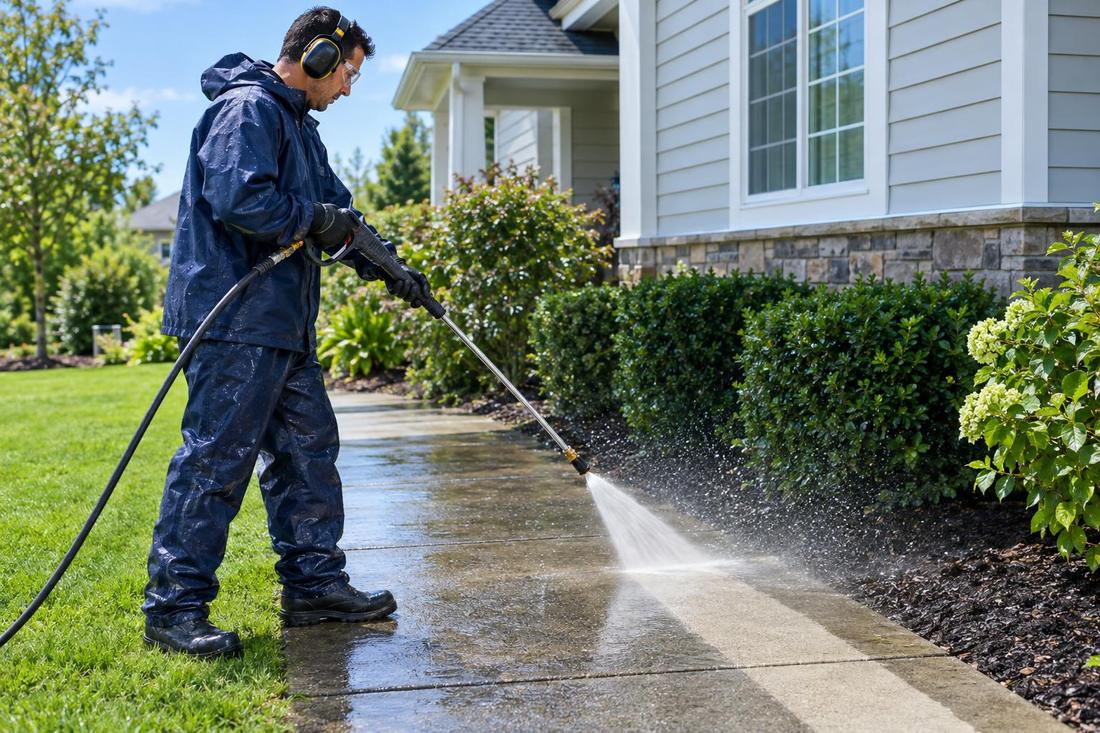
Hot water melts and loosens grease, oil, wax and gum, so it is the right choice for restaurant pads, garage floors, dumpster areas and sidewalks. It also helps sanitize. It uses more fuel to run, so it is used where it matters.
Ask if the company has hot-water equipment.
When cold is enough
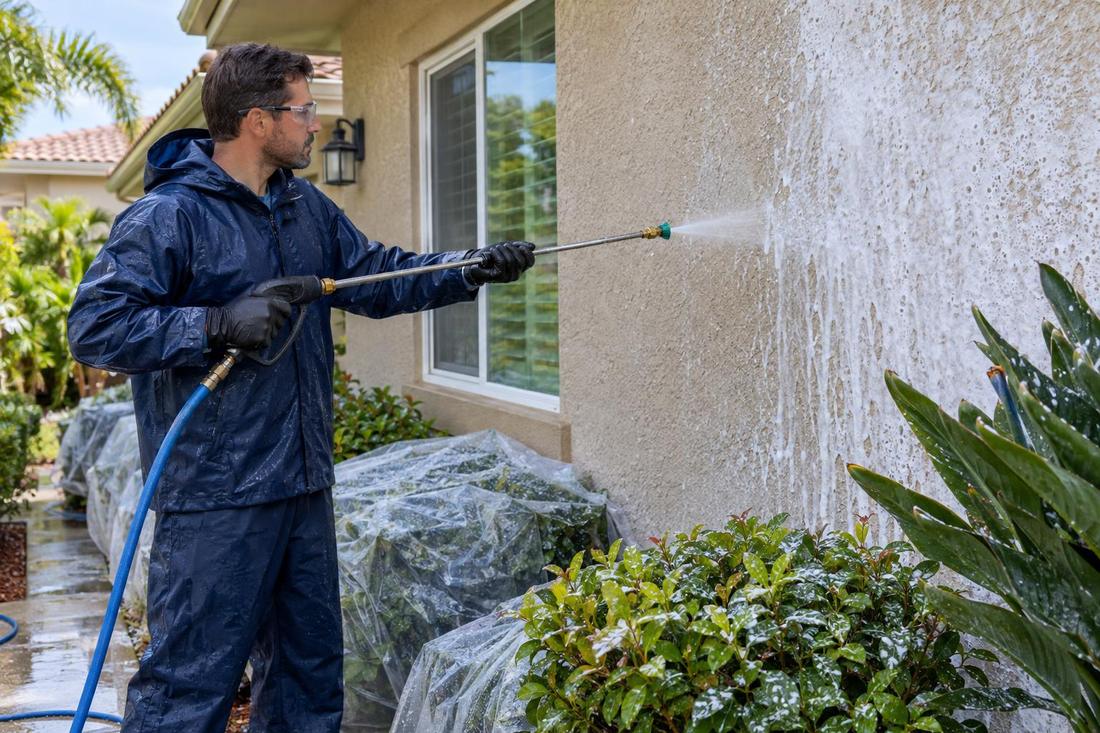
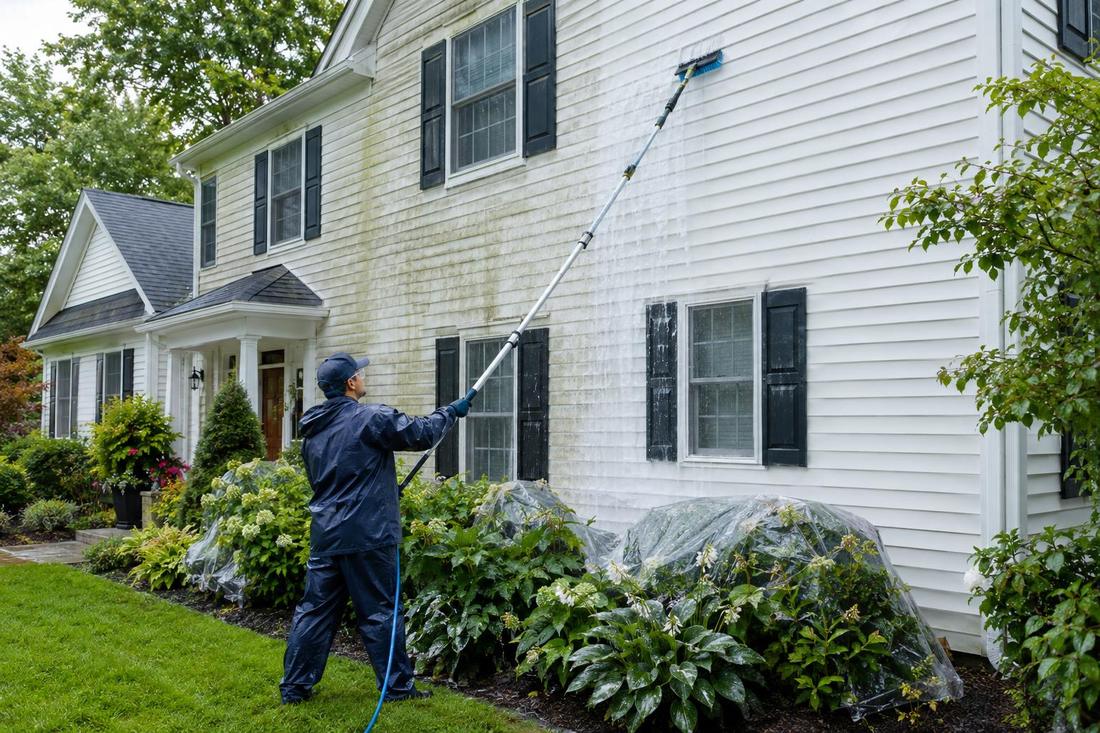
For dirt, pollen, algae and mud on concrete and siding, cold water with the right cleaner and tip is effective. Heat can damage some surfaces, so it is not used on vinyl, painted wood or delicate stone.
The right approach depends on the surface and the stain.
What to ask
Ask what equipment the company uses, what pressure it sets for your surfaces and whether they use hot water for grease. Ask how they protect plants and recover wash water on commercial pads.
Clear answers show experience.
Official sources and further reading
These are independent organizations. Links open in a new tab.
Quick answers
Is power washing better?
Not always. It is better for grease and gum. For dirt and algae, cold water often works fine.
Can hot water damage surfaces?
Yes, on some materials, so the choice should fit the surface.